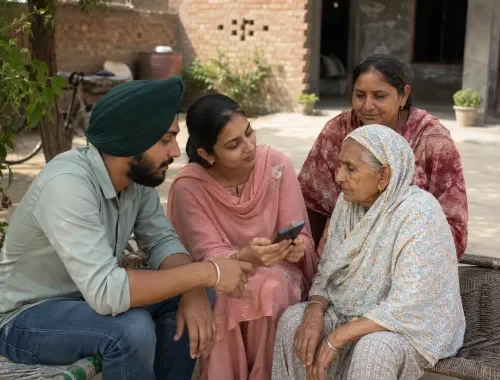
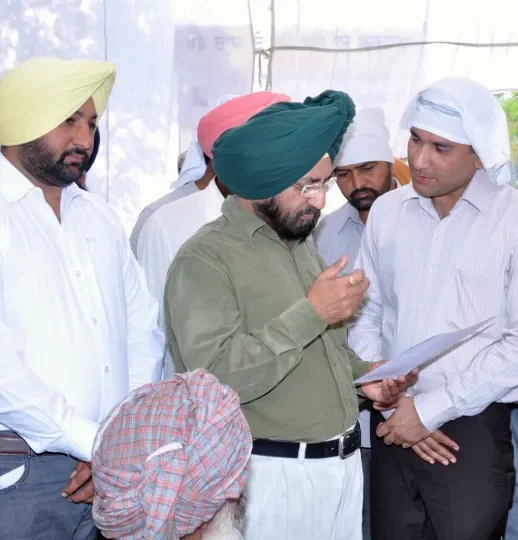
Building Stroke-Safe Villages Through Community Care

Ladda-SSV Is Bringing Structured Stroke Care Closer to Rural Communities

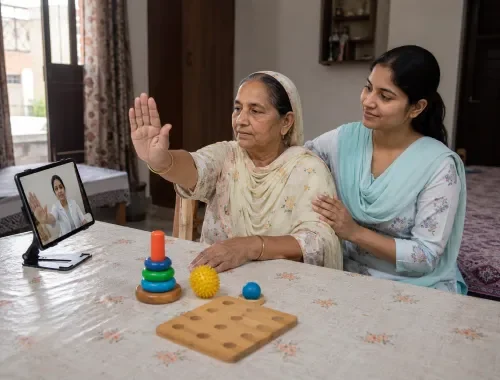
Across the village network, the model supports recognition, prevention, phone-first assessment, stroke-only transport, and appointment-based recovery care for survivors.

Ladda-Stroke Safe Village (Ladda-SSV)

Ladda-Stroke Safe Village (Ladda-SSV)

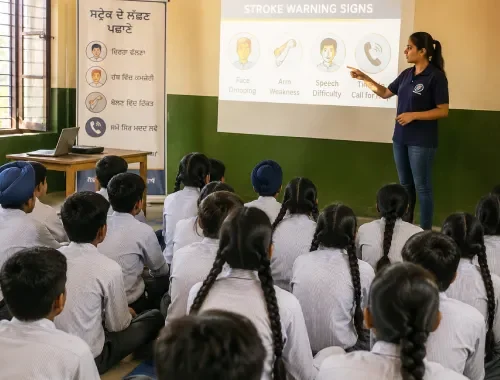
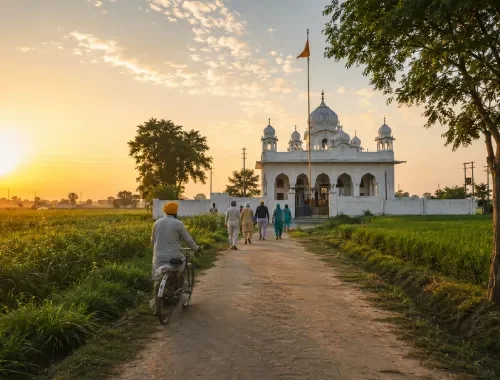
Built for villages where stroke often arrives before organised help, Ladda-Stroke Safe Village (Ladda-SSV) offers a structured, community-rooted pathway for recognition, prevention, urgent response, and recovery.

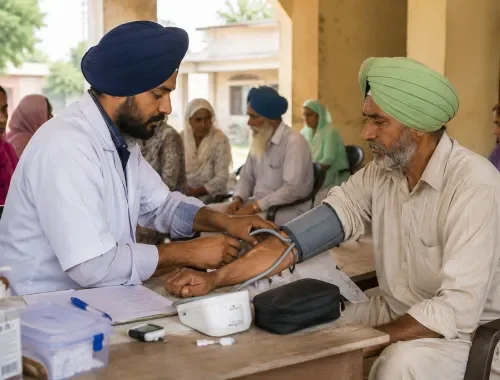
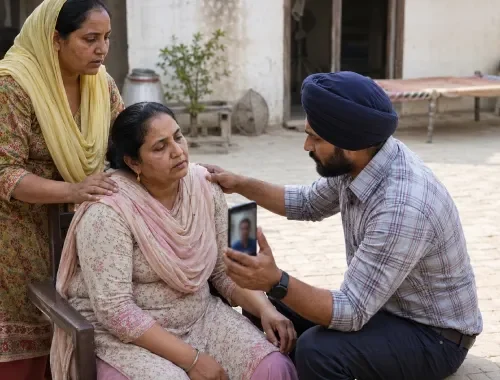
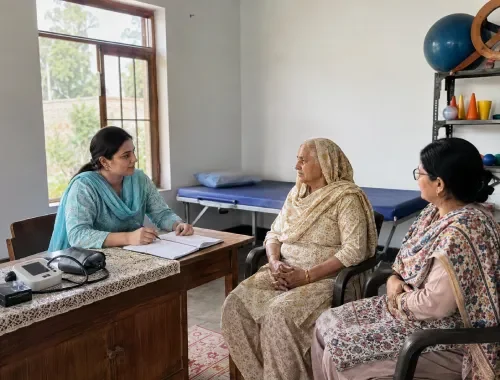
The model connects local awareness, trained village support, helpline-based assessment, eligible stroke transport, daily prevention checks, and appointment-based rehabilitation.

Guided by experienced stroke leadership and grounded in Village Ladda, it helps families act earlier, avoid confusion, and continue care after survival. Every part of the work is focused on making the village network safer from the preventable harm of stroke.

How Ladda-SSV Supports Stroke-Safe Villages

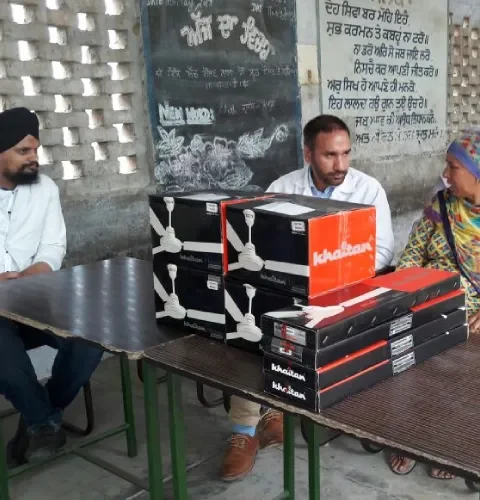
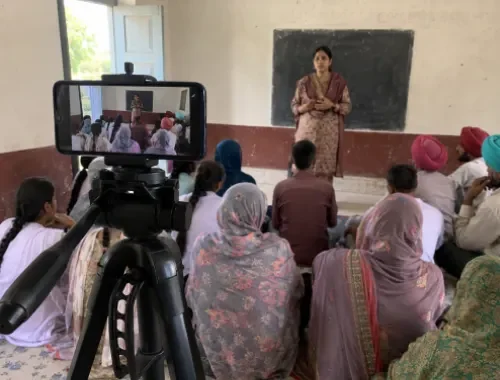
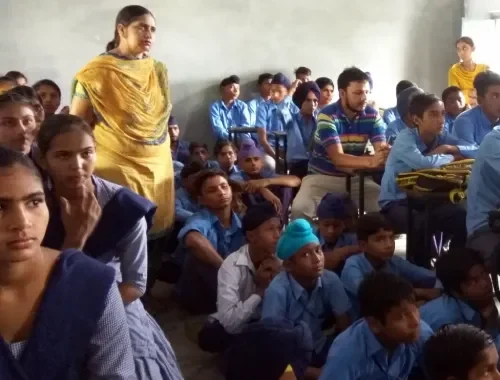
Families and village communities receive clear, practical support across awareness, prevention, urgent guidance, recovery, local coordination, and participation, helping stroke safety become easier to understand and act on daily.

Rooted in Rural Stroke Care

Why the Ladda-SSV Model Matters

Rural families need more than advice when stroke symptoms appear. They need clear steps, trusted guidance, and organised access to care. The Ladda-SSV Model brings these parts together through community stroke recognition, prevention checks, helpline-based response, trained local transport support, and stroke rehabilitation.

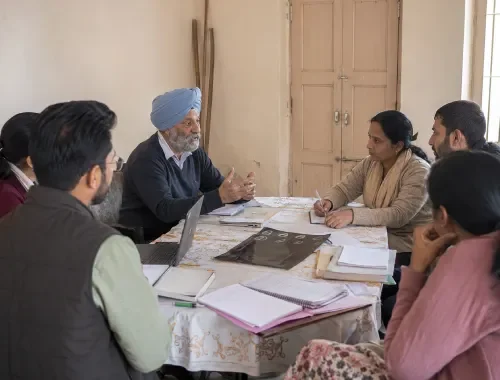
Its work is guided by clinical mentorship, academic supervision, and direct village experience, while staying honest about its role as a focused rural stroke-care pilot. Support is designed for the Ladda-SSV village network, with clear limits, free community services, and practical pathways that help families respond with less delay.

Why the Ladda-SSV Model Matters
Trusted Rural Stroke Care

What Makes Ladda-SSV a Credible Rural Stroke Care Model

Trust grows when care is rooted locally, guided clinically, focused clearly, organised responsibly, connected through villages, and developed with an evidence-minded approach for rural stroke safety.

Shape ImagesShape ImagesShape Images
Community Rooted

Built from Village Ladda, the model understands rural families, local institutions, and real access barriers directly.

Shape ImagesShape ImagesShape Images
Clinically Guided

Guidance from experienced stroke leaders helps keep awareness, triage, prevention, and rehabilitation clear, careful, and responsible.

Shape ImagesShape ImagesShape Images
Dedicated to Stroke Care

Every service is centred on stroke, avoiding confusion with general healthcare, ambulance, or clinic services.

Shape ImagesShape ImagesShape Images
Structured Care Pathway

Families receive clear steps for recognition, helpline contact, assessment, eligible transport, prevention, and planned recovery support.

Shape ImagesShape ImagesShape Images
Village Network Based

Support is organised through the Ladda-SSV village network, keeping care local, practical, and easier to coordinate.

Shape ImagesShape ImagesShape Images
Evidence-Minded Approach

The model is built with academic supervision, submitted research work, and a careful evidence-building approach.
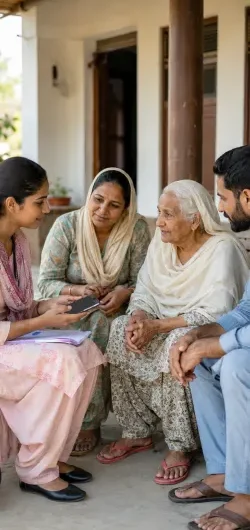
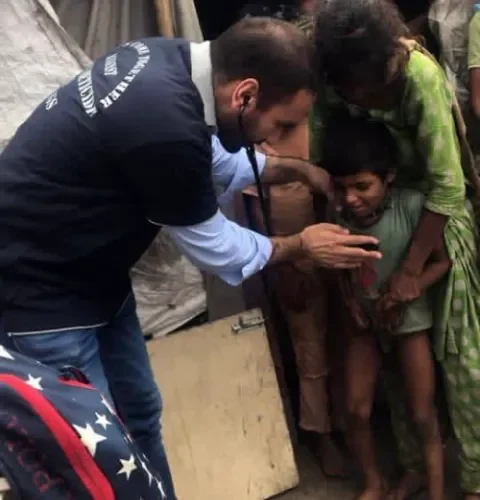
Clear Guidance for Families and Villages
What does Ladda-SSV do for you
How can you get stroke help
Clear Guidance for Families and Villages

Frequently Asked Questions About Ladda-SSV

Find simple answers about who can contact Ladda-SSV, how support begins, what services include, and how families, volunteers, schools, and village communities can take part.

Q: What does Ladda-SSV do for you?

A: We help village communities become safer from the avoidable harm of stroke. Ladda-Stroke Safe Village is a rural community stroke care model by TheBrownMove Foundation, Ladda, built around stroke recognition, prevention, acute stroke response, emergency transport support, rehabilitation, and tele-rehabilitation within the Ladda-SSV village network.

Q: How can you get stroke help?

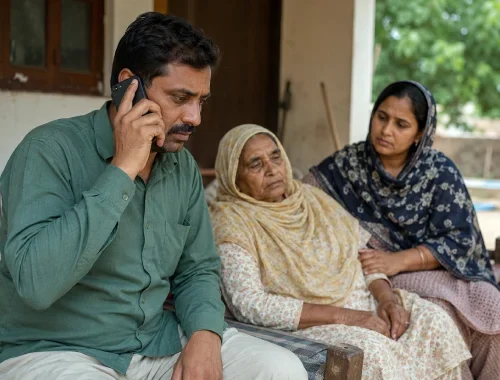
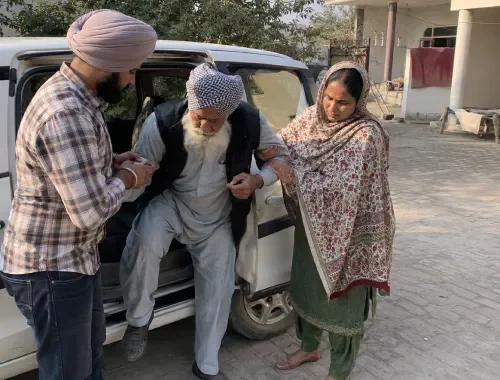
A: We ask families to call the Ladda-SSV Stroke Helpline first if someone may be having a stroke. Our team guides the caller, arranges a video assessment where needed, and helps eligible suspected stroke patients enter the proper transport pathway. Acute stroke patients should not be brought directly to Mata Rupinder Clinic or the Ladda hub without calling first.

Q: Who can use Ladda-SSV services?

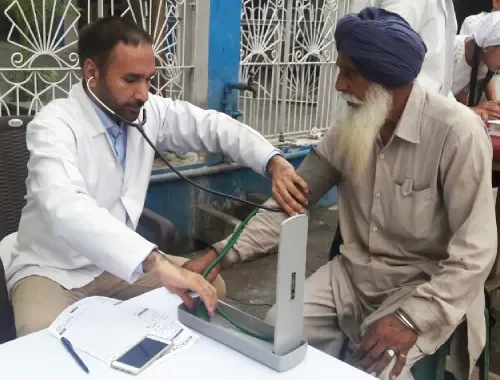
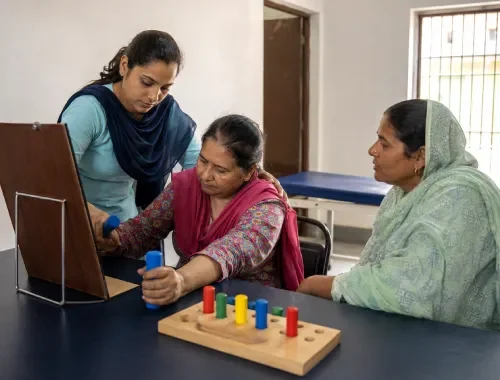
A: We currently support people within the Ladda-SSV village network. Our services are focused on stroke awareness, prevention checks, suspected stroke response, and stroke rehabilitation. We provide community services and eligible transport support free of charge, but hospital charges are not covered by the foundation.

The Four Pillars of Ladda-SSV

The model is built around surveillance, prevention, acute care, and rehabilitation, creating a connected pathway that helps villages recognise stroke, reduce risk, respond faster, and support recovery.

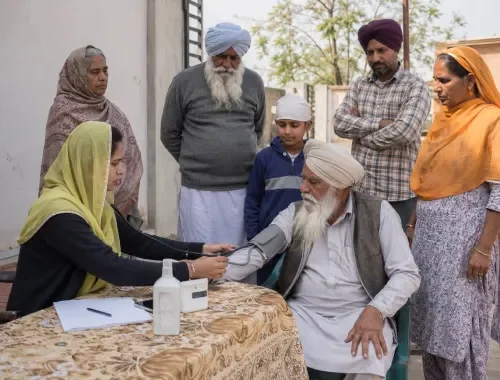
Surveillance

Surveillance

Prevention

Prevention

Acute Care

Acute Care

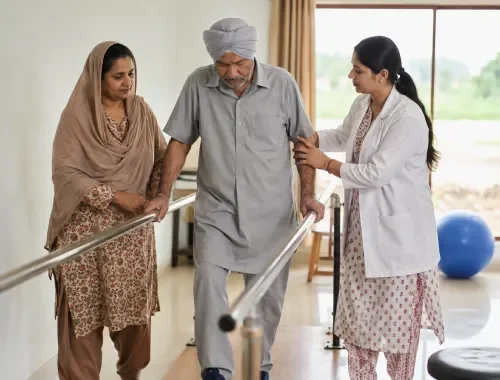
Rehabilitation

Rehabilitation

Need Guidance or Want to Connect?

Connect With the Ladda-SSV Team

Use the form to share your concern, request guidance, ask about village support, or connect as a volunteer. The team will review your message carefully.

Meet the Team and View Our Journey

Explore photos, videos, and the team behind Ladda-SSV, including community activities, village engagement, mentors, and moments that show the shared effort to build stroke-safe villages.

Awareness, Stories, and Community Updates

Stroke Awareness & Ladda-SSV Updates

Read helpful updates on stroke awareness, prevention, village care, rehabilitation, and community participation, written to help families understand risks, recognise warning signs, and respond with confidence.

error: Content is protected !!
//
Ladda-SSV team can guide general enquiries, services, village support, and volunteering. For urgent stroke symptoms, call the helpline.
👋 Hi, how can I help?